


Rare genes, research, and advancing insights into uncommon disorders
How 20 years of convening and conversation has shaped genomic medicine
While new genomic technologies stem from the laboratory, their impact flourishes when experts work together to figure out how these tools can realistically be used in research and clinical settings.
We are all familiar with scientific conferences being places where field leaders present new and emerging research. But what happens when a talk or poster presentation plants the seeds for something bigger?
The Genomics of Rare Disease conference has been running annually for 20 years, creating a community of experts that has been instrumental in integrating genomics into clinical practice. By creating a space free of the distractions of daily work schedules, this conference catalysed new research projects, fostered professional friendships, fuelled collaborations, and allowed people from different backgrounds to share knowledge openly, ultimately benefitting future generations of scientists and patients.
As we look forward to the conference’s 20th anniversary, let’s celebrate its successes and go back to where it all began two decades ago.
The origin story: Creating foundations for discovery research and clinical collaboration
In 2004, the genomics tool, ‘DECIPHER’, was launched, bridging the gap between research and the clinic by linking genetic data with patient data. This groundbreaking resource, co-developed by Professor Helen Firth, Consultant Clinical Geneticist, Cambridge University Hospitals Trust, UK and Dr Nigel Carter, lead for the Molecular Cytogenetics Team, Wellcome Sanger Institute, UK, substantially enhanced our collective understanding of rare diseases.
DECIPHER facilitated data sharing between researchers and clinicians. It linked the discovery of new gene variants and clinical presentations of rare disease, enabling stronger diagnostic certainty and better outcomes for patients and their families.
This was the time that we realised if we worked as a team across groups and countries, we could make exciting discoveries. And because there was so much to discover, collaboration benefitted everyone. The Decipher database was the tool of the moment, and that really spurred everyone forward, and encouraged sharing.
Professor Han Brunner, Radboud University, The Netherlands
Prompted by the success of DECIPHER, the Wellcome Connecting Science Learning and Training team, at the Wellcome Sanger Institute, UK, established a brand-new conference – an annual event designed to unite global rare disease specialists, and enable fluid sharing of new research insights. And so, ‘Genomics of Rare Disease’ was born – an integrated platform for researchers, clinicians and technology developers to explore a more detailed understanding of rare disease mechanisms, genetic variation, and the clinical application of new tools and knowledge.
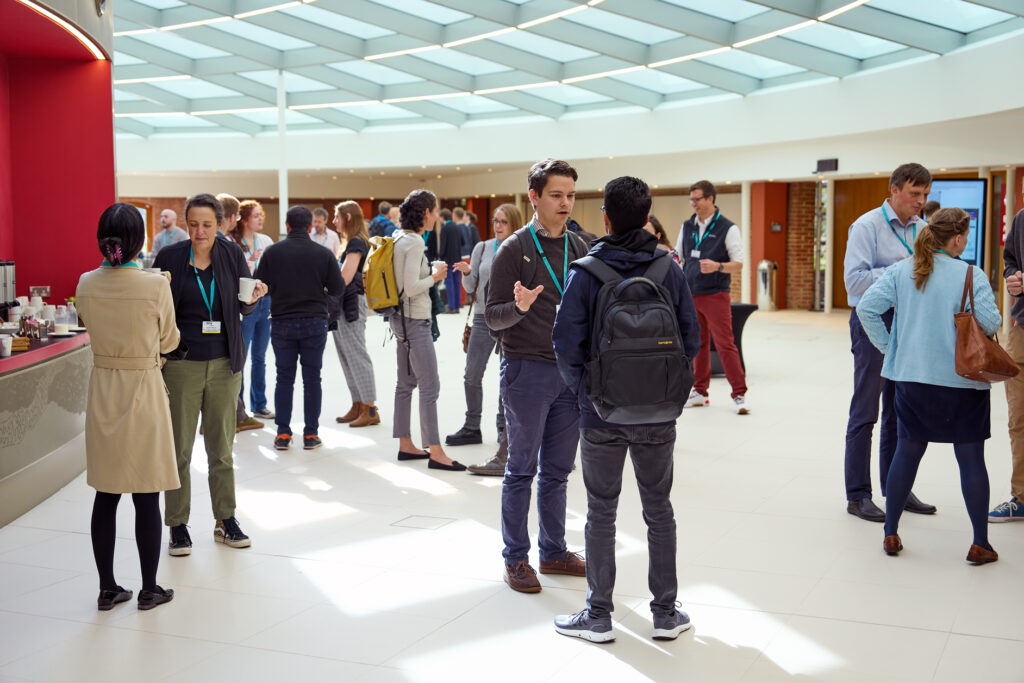
Back in 2004, Dr Nigel Carter and I were approached to join the scientific programming committee for a new rare disease genomics conference. Later, Professor James Lupski, a leading researcher from the US who had spent a sabbatical at Sanger, joined us . Then Professor Dian Donnai, a Consultant Clinical Geneticist also came on board. The four of us helped develop the first iteration of this meeting, building on the success of DECIPHER, and this grew into much more than we imagined. 20 years later it’s still an annual priority for researchers and clinicians, and many influential friendships and collaborations have formed.
Professor Helen Firth, Consultant Clinical Geneticist, Cambridge University Hospitals Trust, UK
The wonder years (2004-2011): Establishing the role of genomics in clinical settings
The conference took shape at a pivotal moment in the history of genomic medicine. The completion of the Human Genome Project in 2003 shone a spotlight on the potential for DNA sequence data to tell us more about disease mechanisms.
In particular, microarrays took centre stage when it came to gene dosage and expression profiling and large-scale, multi-cellular analysis. These humble glass slides can be used to detect tiny variations in the genome structure and support rare disease mapping.
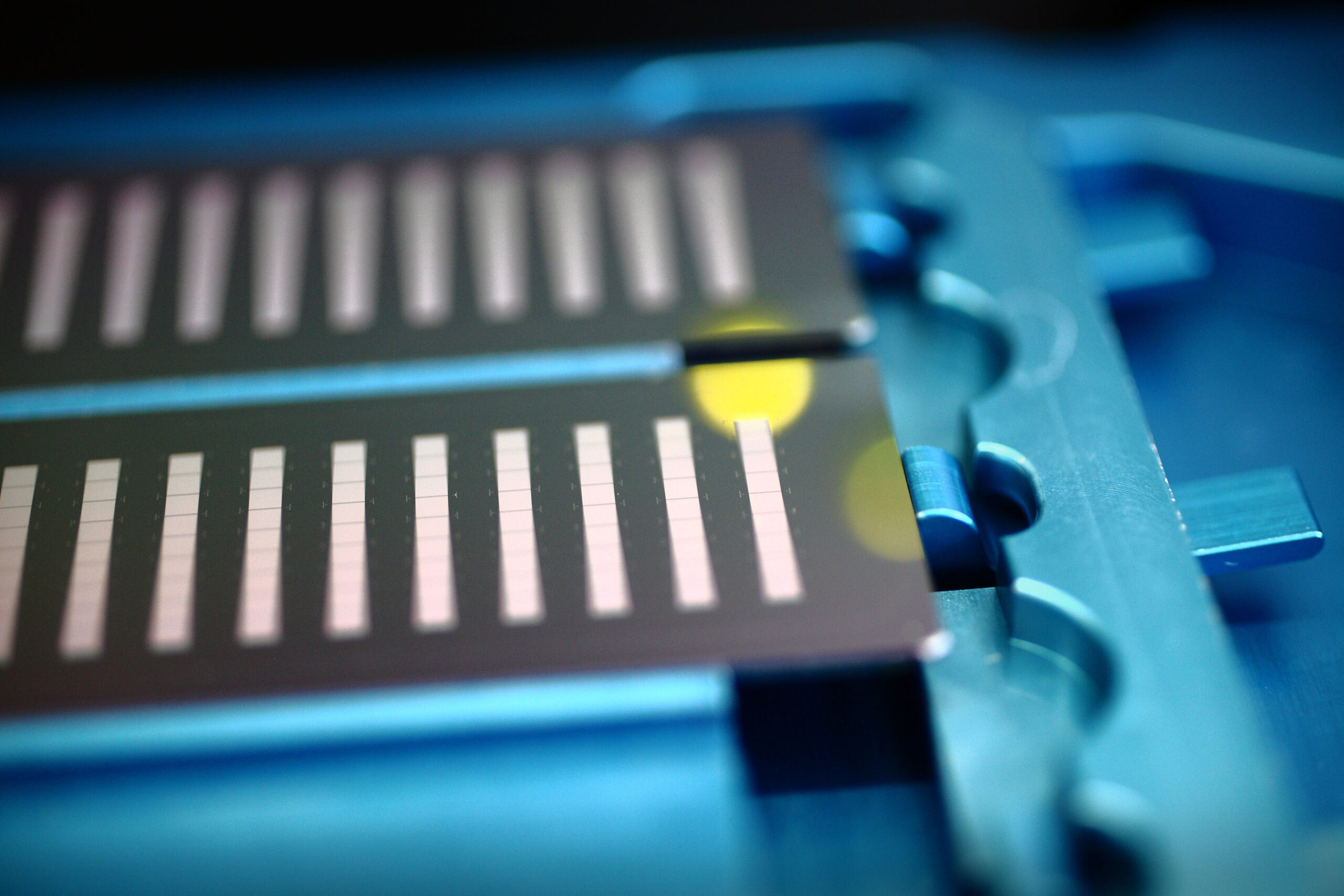
Thanks to the community at the conference sharing their real-world challenges and case studies, these transformative tools transitioned from bench research to clinical diagnostic practice.
As scientists, we were keen to introduce microarrays into the clinic, but high costs and managing the scale of data, as well as the clinical interpretation, were among the challenges. The Genomics of Rare Disease conference became a forum for researchers and clinicians to problem solve those issues, and develop effective implementation strategies.
Professor Matt Hurles, Director, Wellcome Sanger Institute, UK
Meanwhile, the pace and form of genomic sequencing was growing exponentially. The emergence of next generation exome and genome sequencing in 2009 marked another defining moment in the field of rare disease research. This technique enabled sequencing at scale.
Together with open data sharing, this powerful sequencing method has enabled a better understanding of the genetic mutations and risk factors present in families, helping to provide more accurate support and information to those who need it.
Next generation sequencing set the stage for personalised medicine
Video credit: Syahriaman (Shutterstock)
The application of new next generation sequencing methods and novel technologies to the study of rare diseases, were first presented at the Genomics of Rare Disease conference.
Claudia Gonzaga-Jauregui, International Laboratory for Human Genome Research, Mexico
Scaling up an era: Shaping tools and resources for clinical and patient benefit
The conference has been an important global stage for presenting insights from some of the most groundbreaking studies. Many of these projects grew out of the success of genomics tools and methods being applied clinically.
Deciphering Developmental Disorders (DDD project)
In 2011, experts from the NHS Genomic Medicine Service and the Wellcome Sanger Institute, launched the most significant study to date that focuses on the potential genetic origins of undiagnosed childhood disorders.
As key findings from the study continue to evolve, the conference has provided a friendly environment for researchers and clinicians to discuss new insights on the gene variation responsible for some of the most rare and challenging developmental disorders. Clinicians have been able to see the value of using DECIPHER for gaining a deeper understanding of extremely rare disorders, enabling better communication with patients and their families.
Conferences provide opportunities to see how tools and resources can fuel projects with powerful diagnostic results. If you see and hear how these are taking shape, in conjunction with papers you might have read, momentum builds across the community to strive to gain access, and apply these new approaches in clinical practice
Professor Helen Firth, Consultant Clinical Geneticist, Cambridge University Hospitals Trust, UK
Genome Aggregation Database (gnomAD)
In 2017, the gnomAD database became widely available to the rare disease research community. Developed by a global coalition of scientists spearheaded by Professor Daniel MacArthur, Director of the Centre for Population Genomics, Gavin Institute of Medical Research, Australia, this resource led to the discovery that a huge range of reference variation exists within the general population. This knowledge had researchers and clinicians perched on the precipice, with growing questions about how to determine pathogenic variants, the value of specific sequencing methods, and the future of drug development.
The conference has been a conduit for the community to come together and explore the meaning of these challenges, as well as the application and implementation of new data resources.
These are only a few examples of how the Genomics of Rare Disease conference has evolved to enable and reflect the ongoing genomic milestones over the last 20 years. The integration of clinical perspectives and case studies into the conference programme has also served to strengthen professional relationships between those focusing on the statistical data, and those involved in guiding patients through their clinical odyssey to a rare disease diagnosis. A happy accident some might say, that has also given clinicians early access to explore the diagnostic potential of new data, tools, and technologies, of which they ordinarily may have little to no visibility.
It’s important to build connections between those involved in discovery science and those working in clinical medicine, to bridge knowledge gaps and address barriers to realistic and effective implementation. Without conferences such as Genomics of Rare Disease it would take a long time for the research being done at the Wellcome Sanger Institute and beyond to reach the clinical interface.
Professor Helen Firth, Consultant Clinical Geneticist, Cambridge University Hospitals Trust, UK
Navigating the future of rare disease genomics
April 2026 will mark 20 years since the first Genomics of Rare Disease conference; celebrating a legacy responsible for establishing a multidisciplinary and global community armed with the knowledge, tools and resources to continue answering the most complex questions surrounding rare diseases and disorders.
As the application of Multiplexed Assays of Variant Effect (MAVEs) becomes more widely adopted through capacity development, solutions for addressing Variants of Uncertain Significance become increasingly possible. Those pesky mutations that lack enough genetic information to determine if they are harmless or not, could become less of a challenge thanks to outcomes from collaborative projects like The Atlas of Variant Effects Alliance. Led by the University of Washington Department of Genome Sciences and the Brotman Baty Institute in Seattle, in partnership with scientists from our own Wellcome Sanger Institute, this project will ultimately produce a detailed map of every genetic variant, opening the door for improved diagnostics and drug development for rare diseases.
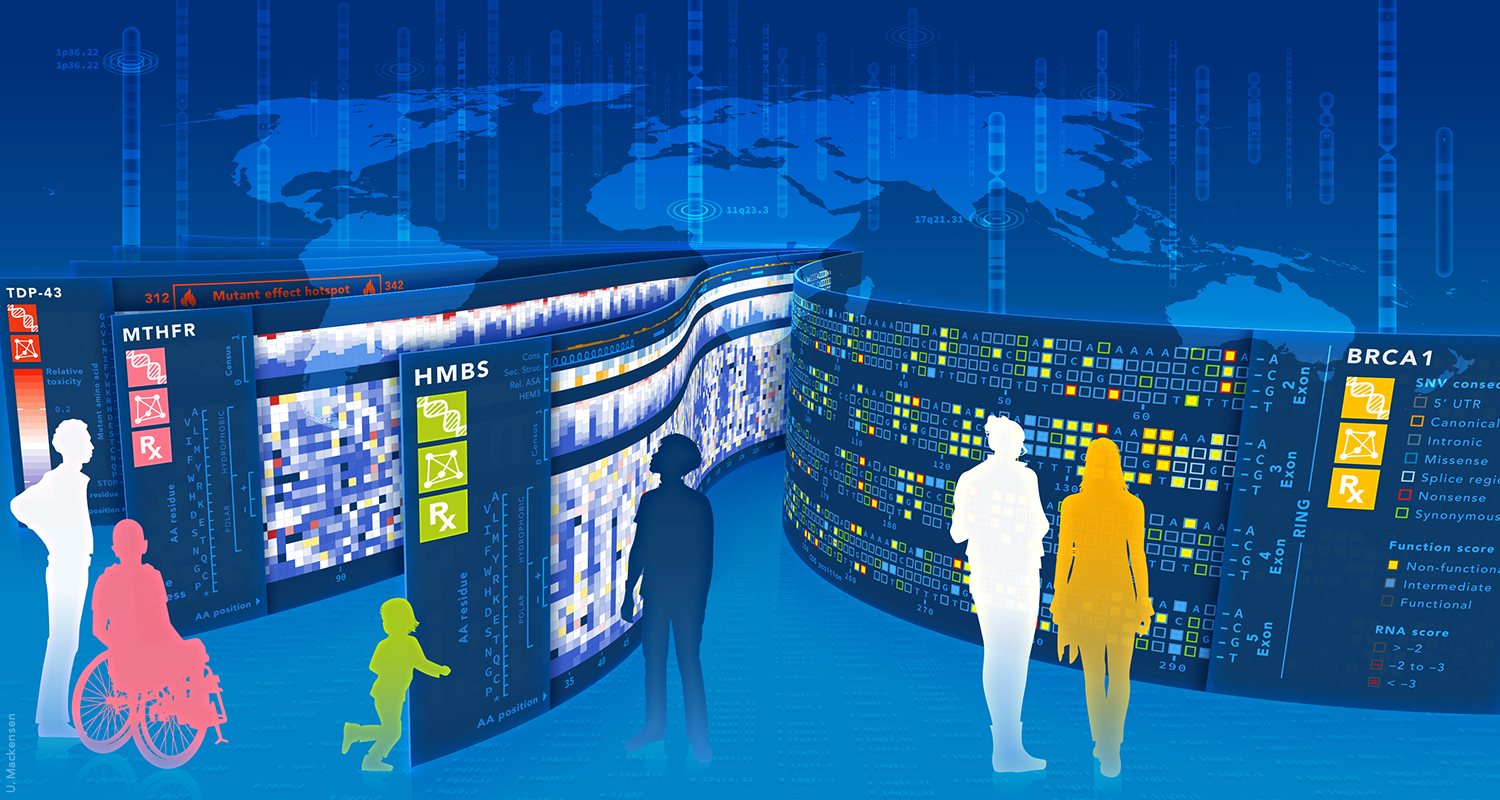
The development of new molecular therapies in the next few years is very exciting and will be transformative for the future of rare diseases, not just from the research perspective, but practically changing the life course of children living with these conditions and their families. It is inspiring to see that the work done in the research space to diagnose, study and understand these diseases over the years is now reaching patients.
Claudia Gonzaga-Jauregui, International Laboratory for Human Genome Research, Mexico
AI, machine learning, and MAVEs have the potential to transform lives in the near future, but currently many people working in genetics have no visibility of MAVE data. As always, learning and training are key to ensuring the most influential technologies are available to those who can drive effective implementation in clinical research. Our own genomics-led programme at the Sanger Institute will continue to support scientists in this endeavour, by offering the most relevant and accessible knowledge sharing opportunities to the rare disease community we helped to build.
We hope to see many of you at the anniversary conference (April 27–29 April 2026) being held at our flagship home on the Wellcome Genome Campus, UK.
You can find out more about this year’s conference programme on our website.
 Back to top


