


Innovative training environment enables real-world impact in pathogen detection and surveillance
A recent Wellcome Connecting Science regional training collaboration has led to the development of a multi-pathogen testing protocol suitable for integration into clinical diagnostics settings.
Piloting multiplex testing approaches for clinical microbiology
Working with partners at the MRC Unit The Gambia at the London School of Hygiene and Tropical Medicine, and trainers representing other regional institutes, we merged local operating knowledge with training delivery approaches, to develop a course designed to tackle real-world challenges impacting genomics implementation in clinical microbiology.
The 2025 Molecular and Genomic Approaches to Clinical Microbiology course allowed microbiologists to explore the feasibility of utilising genomic techniques for multi-pathogen infection diagnosis.
Exemplifying the value of tailored training approaches for exploring the integration of genomics into complex public health settings, this regionally-led collaboration enabled scientists spread across Africa to come together and pilot whether new tools and technologies could realistically work for them.
25 participants representing 18 African countries came together to share expertise and trial the effectiveness of genomics methods for addressing region-specific health challenges.
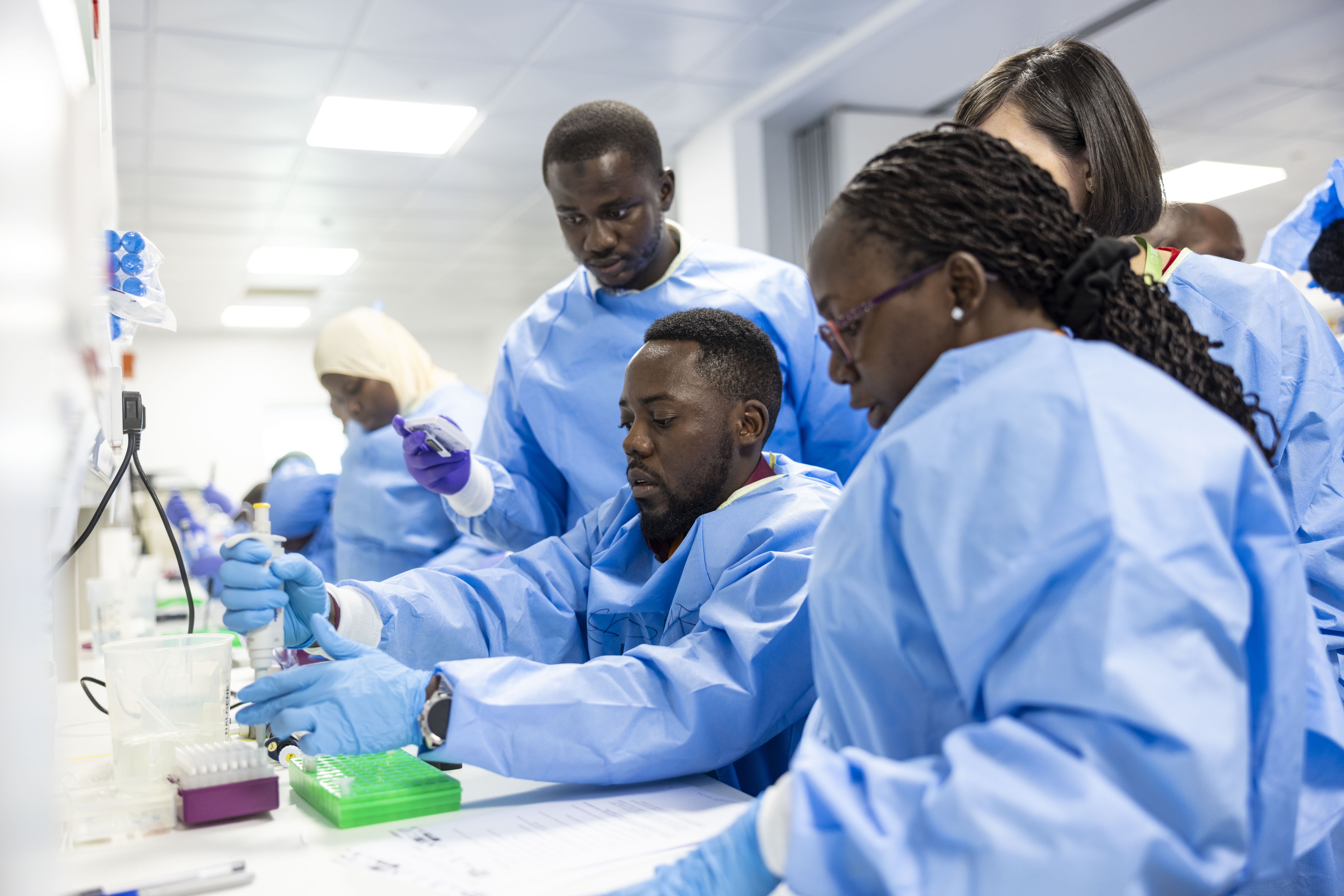
Why is there a need for regionally tailored genomics training?
Whole genome sequencing (WGS) has become invaluable for improving the accuracy of the approaches used to detect and characterise infection, particularly where multiple organisms are present. Integrating multi-pathogen WGS into clinical practice has been transformative for microbiologists looking to deploy targeted treatments, and strengthen their disease prevention and surveillance strategies.
However, despite the increasing sophistication of genomics technologies, many research and health settings continue to rely on conventional microbiological and molecular methods, which remain effective but offer limited resolution and scalability compared to genomics-based approaches.
While faster, more precise, methods such as WGS are becoming more accessible globally, their successful integration into practice depends on how well they align with local research and health system structures.
Beyond capability, the challenge is ensuring that emerging technologies are transferable, sustainable, and aligned with local priorities and infrastructure.
Across many research and clinical communities, there is a growing need to evaluate how the benefits of newer genomics practices integrate with, and add value to, existing, well-established microbiological and molecular workflows. This is why context-responsive training is crucial.
Progress in infection diagnosis and control depends on strengthening the ability of researchers and healthcare professionals to adapt and implement genomics innovations effectively within their own settings, through skills development, shared learning, and opportunities to test and refine their application in real-world contexts.
This was the focus of our work in September 2025, during the Molecular and Genomic Approaches to Clinical Microbiology course.
Participants explored how to integrate genomics tools into routine laboratory and clinical practice.
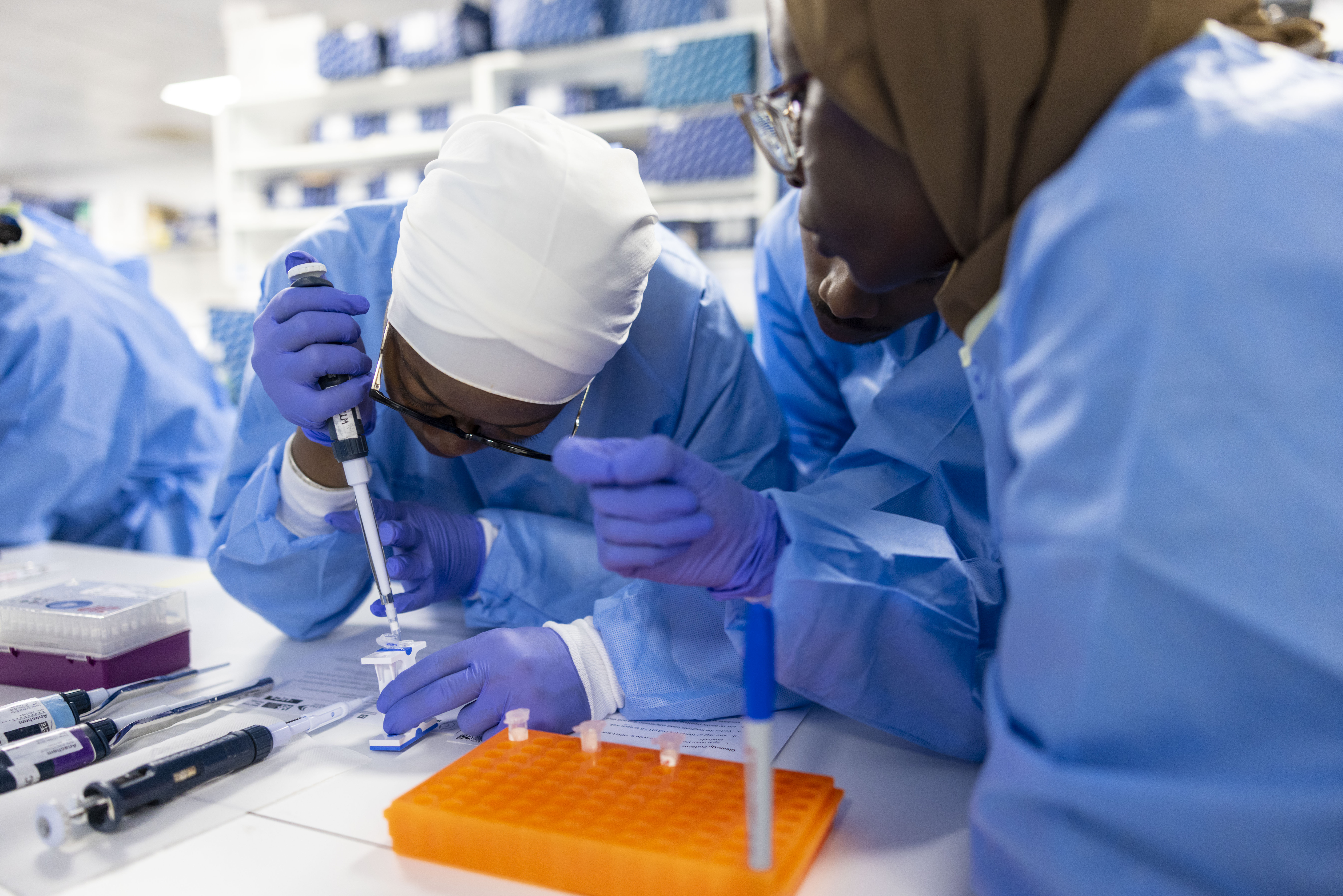
Mobilising regional genomics implementation through training and collaboration
The course has been running for over 15 years, and continues to evolve and provide scientists with dedicated time and space to experiment, test ideas, and trial new laboratory approaches using technologies they may not routinely access in their workplaces.
Trainers guided scientists through different molecular and genomics techniques, including multiplex PCR and WGS approaches for detecting and diagnosing a variety of pathogens.
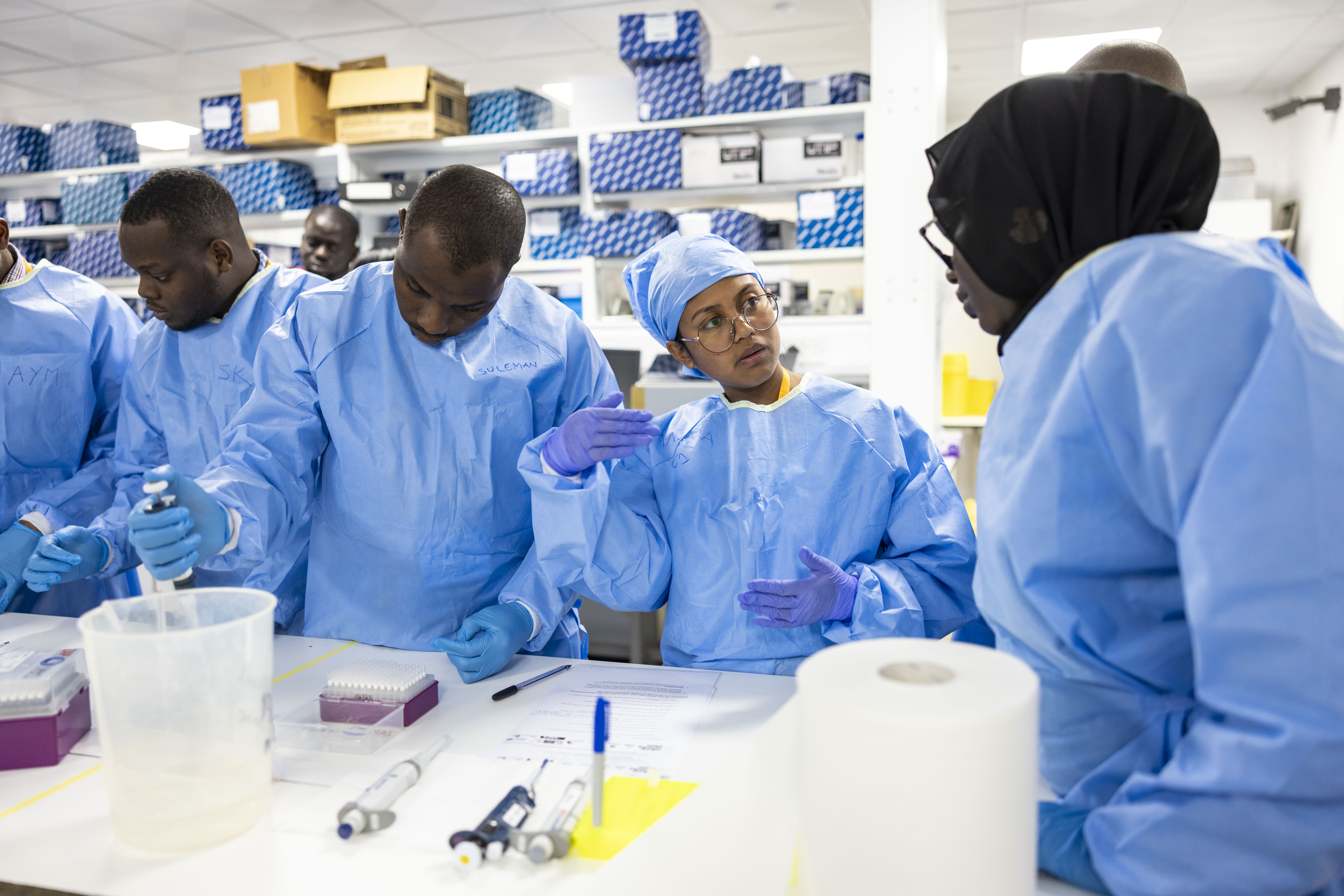
To ensure relevance, the 2025 training was built around technologies already available in the region, such as Oxford Nanopore and Illumina platforms. This approach allowed participants to explore the strengths and applications of each technology, and consider how different platforms can be selected for specific pathogens, research questions, or laboratory contexts. Building on this foundation, participants trialled a multi-pathogen whole genome sequencing (WGS) workflow using Oxford Nanopore technology; a hands-on exercise demonstrating how existing resources can be applied efficiently and collaboratively to address diagnostic and surveillance needs.
Using Oxford Nanopore technology, we demonstrated that a single flow cell can be used to sequence Neisseria meningitidis, Streptococcus pneumoniae, and Mycobacterium tuberculosis simultaneously. This approach is especially relevant for African settings, where programs often remain pathogen-specific instead of pooling resources. By sequencing multiple pathogens together, costs can be significantly reduced. The module not only demystified genome sequencing for participants but also encouraged reflection on how to optimise workflows for greater efficiency and cost-effectiveness in resource-limited contexts.
Kanny Diallo, Centre Suisse de Recherche Scientifique, Côte d'Ivoire, and training team member
Educational materials, including case studies, were built around real-world scenarios involving high-priority infections such as tuberculosis, bacterial meningitis, and cholera; enabling participants to generate and interpret data and problem-based case studies modelled on real diagnostic and surveillance challenges.
Together, with regional and international experts, we have created an inclusive and supportive learning environment, incorporating multilingual assistance, and live session translations, ensuring every participant could engage fully and confidently.
Multilingual learning support helps to break down barriers and promote deeper understanding.
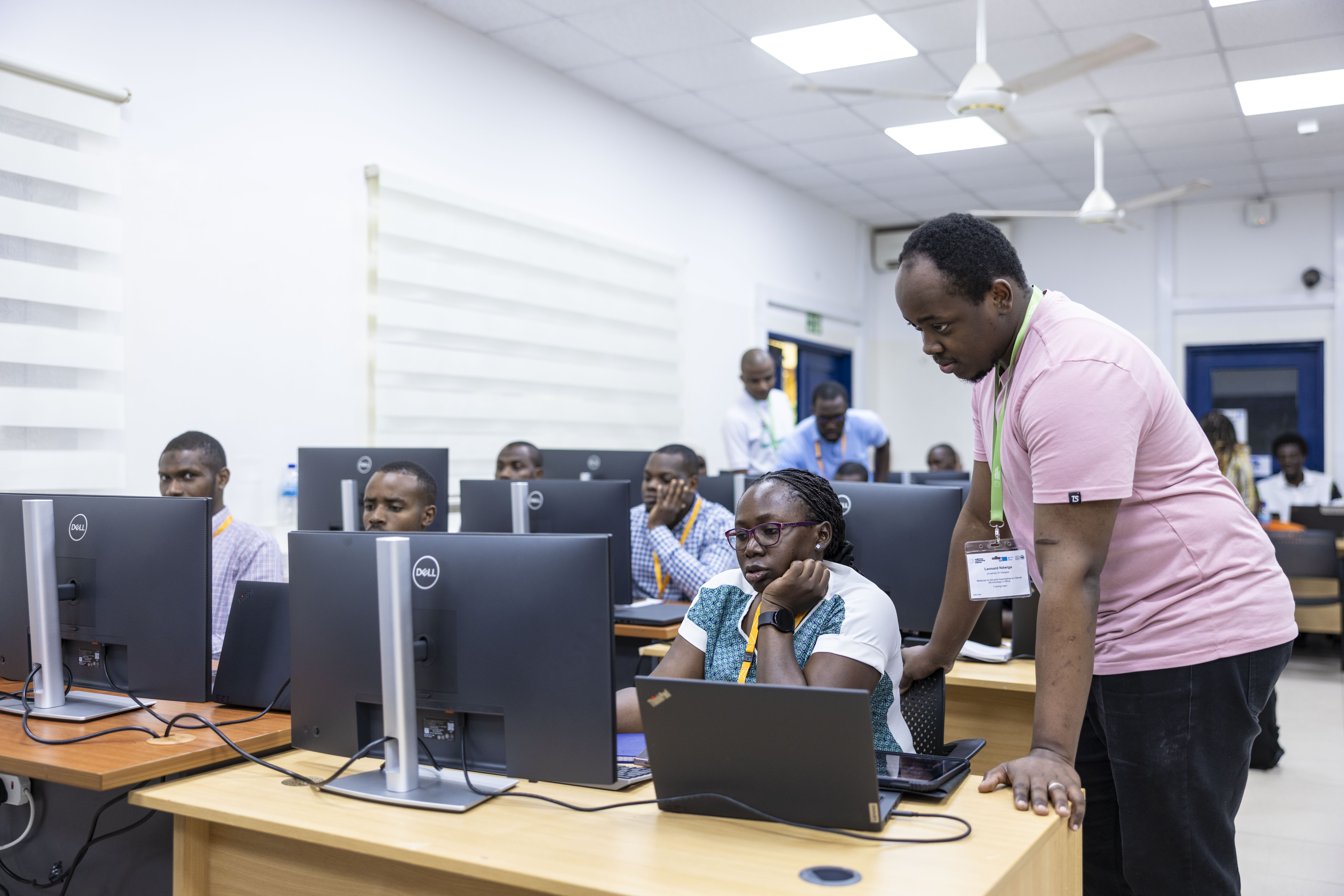
Building regional interconnectedness for future gains
Our mission to foster confident, sustainable, and resilient scientific communities comes to life through the new research networks developed on our courses.
Following an intensive week of hands-on training, the participants left not only with new information and data analysis skills, but also with a transferable framework for multiplex pathogen testing that can be adapted around their own work.
The course also catalysed new professional connections. Participants have formed a network of microbiologists who continue to collaborate on shared research challenges, and exchange knowledge on refining clinical and laboratory practices for infectious disease diagnosis and management.
What’s next for the community?
Members of this year’s training team are in the process of writing up their protocol for multiplex testing into a practical framework, as a solution for multi-pathogen testing across African laboratories.
This tried and tested approach has the potential to guide the refinement of standard operating procedures for clinical diagnosis, and strengthen genomic services across diverse settings. The course participants who helped shape this work now have the skills to mentor other professionals on its implementation, cascading the benefits beyond a single participant cohort.
Building on this success, WCS continues to support scientific communities across the globe by providing platforms for collaboration, shared learning, and sustainable training ecosystems. Our focus is on creating opportunities for researchers to embed advanced genomics practices in ways that reflect their own contexts and priorities.
We recognise the increasing appetite for genomics training and community development, particularly in settings where funding and infrastructure constraints are a major challenge and disproportionately impact research and public health. We will continue to work with our partner networks, to develop practical, regionally responsive solutions that address these needs and empower scientists to drive implementation in their own contexts.
It’s really important for us to develop and support sustainable models to ensure that this kind of training and any related outputs have continuity and are driven by regional experts for regional scientists. It’s less about taking knowledge into these regions and more about developing the knowledge within these regions and allowing these scientists to adapt and innovate according to their own settings.
Cassandra Soo, Wellcome Connecting Science, UK
With thanks to the MRC Unit The Gambia at the London School of Hygiene and Tropical Medicine for permission to use the course photography throughout this article.
 Back to top


