


Empowering equitable genomics surveillance capacity in Latin America
Enabling regional health leaders through collaborative training initiatives
The coronavirus pandemic marked a significant juncture in genomics-led public health planning in Latin America. This has driven momentum behind many new strategies and initiatives designed to improve disease surveillance, and address complex regional challenges.
The work initiated by the Pan American Health Organisation (PAHO), including the formation of the PAHO Genomic Surveillance Regional Networks, spearheaded an exciting new era for genomics surveillance across the latitudes in the region.
This focused investment has sparked broader interest from organisations able to offer affordable access to the genomics tools and technologies that leverage the abundance of scientific talent across the region. Through collaborative networks, scientists are being empowered with new skills and knowledge to challenge the structural and economic barriers that have historically limited genomics implementation, and prevented adequate public health response.
Through our work as genomics training specialists, Wellcome Connecting Science has developed excellent partnerships with regional experts, based at leading institutions, to co-develop and deliver tailored training that complements the PAHO agenda.
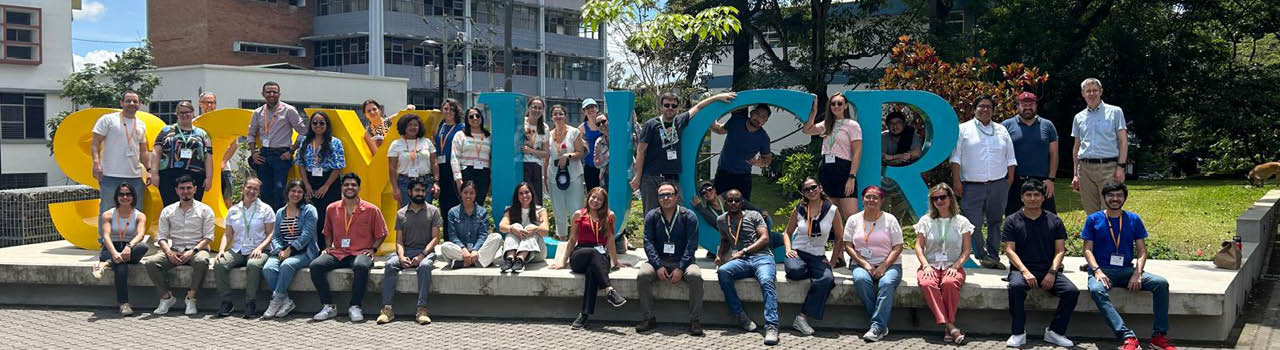
Participants at the 2025 Genomics and Epidemiological Surveillance of Bacterial Pathogens, Costa Rica.
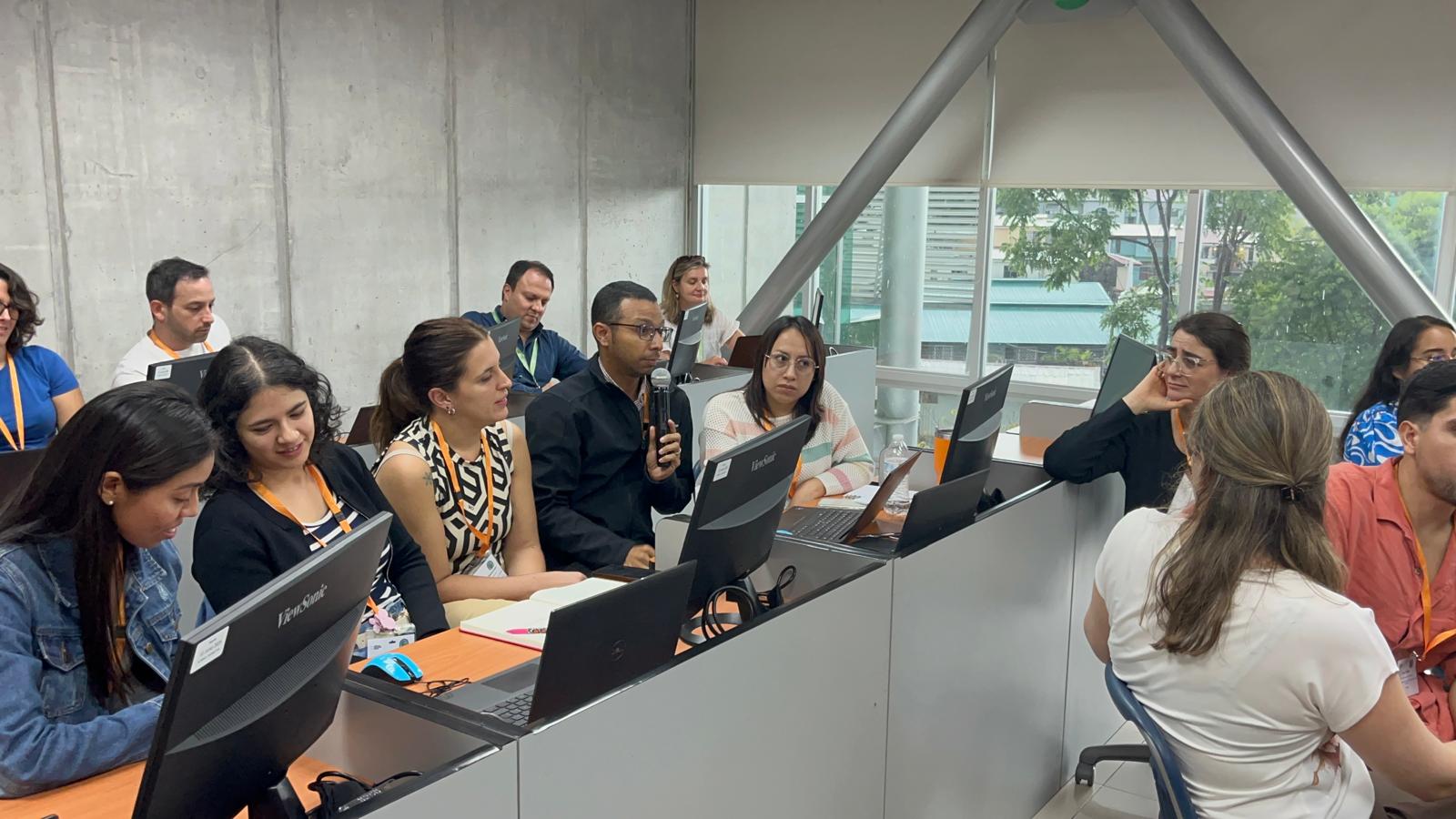
Photo credit: Matt Beale, Wellcome Sanger Institute, UK
Our ethos is focused not only on genomics skills development, but more crucially, on promoting accessibility and sustainability, through fully-funded training that specifically addresses the local surveillance needs of the diverse Latin American populations.
Along the way, we have supported emerging talent that has translated into research collaborations and informal regional networks. We have also welcomed many course alumni into our training teams, adding to the regional sustainability of our training programme. In particular, this enables us to deliver tailored support to our participants, through access to trainers who can explain technical detail in a familiar professional language, helping to demystify genomics further.
From antimicrobial resistance in bacterial and fungal pathogens, to soil-transmitted helminth infections, each of our courses teaches the fundamentals for building genomics-informed surveillance and outbreak response models.
Shining a spotlight on the value of equitable genomics training and capacity strengthening
Our Genomics and Epidemiological Surveillance of Bacterial Pathogens course showcases one example of how we merge proven pedagogical approaches with local insights, to deliver impactful training that has built genomics capacity in over 60% of Latin American countries to date.
Since 2007, we have partnered with host institutions in Costa Rica, Paraguay, Uruguay, and Perú, and supported more than 150 participants, from over 20 Latin and Central American countries, to strengthen their genomics knowledge, expertise, and leadership capabilities.
Our collaborative partnerships with the Latin American and Caribbean Network for Antimicrobial Resistance Surveillance (ReLAVRA+) and PulseNet, seeded the groundwork for the development of genomics-informed infectious disease surveillance response models, tailored to regional populations.
Importantly for scientists, these free training and networking opportunities have been accessible without leaving Latin America; with travel and accommodation bursaries supporting people to attend courses in neighbouring countries.
Throughout the years, our courses have provided a unique opportunity for scientists based in Latin America, to get hands-on experience applying genomics tools and approaches for studying bacterial pathogens. From selecting the right tools for their research to analysing and interpreting local genomics data, our expert instructors have taught principles that can be applied to both global and local surveillance contexts.
Classroom across Latin America are translating into genomics-led regional surveillance programmes.
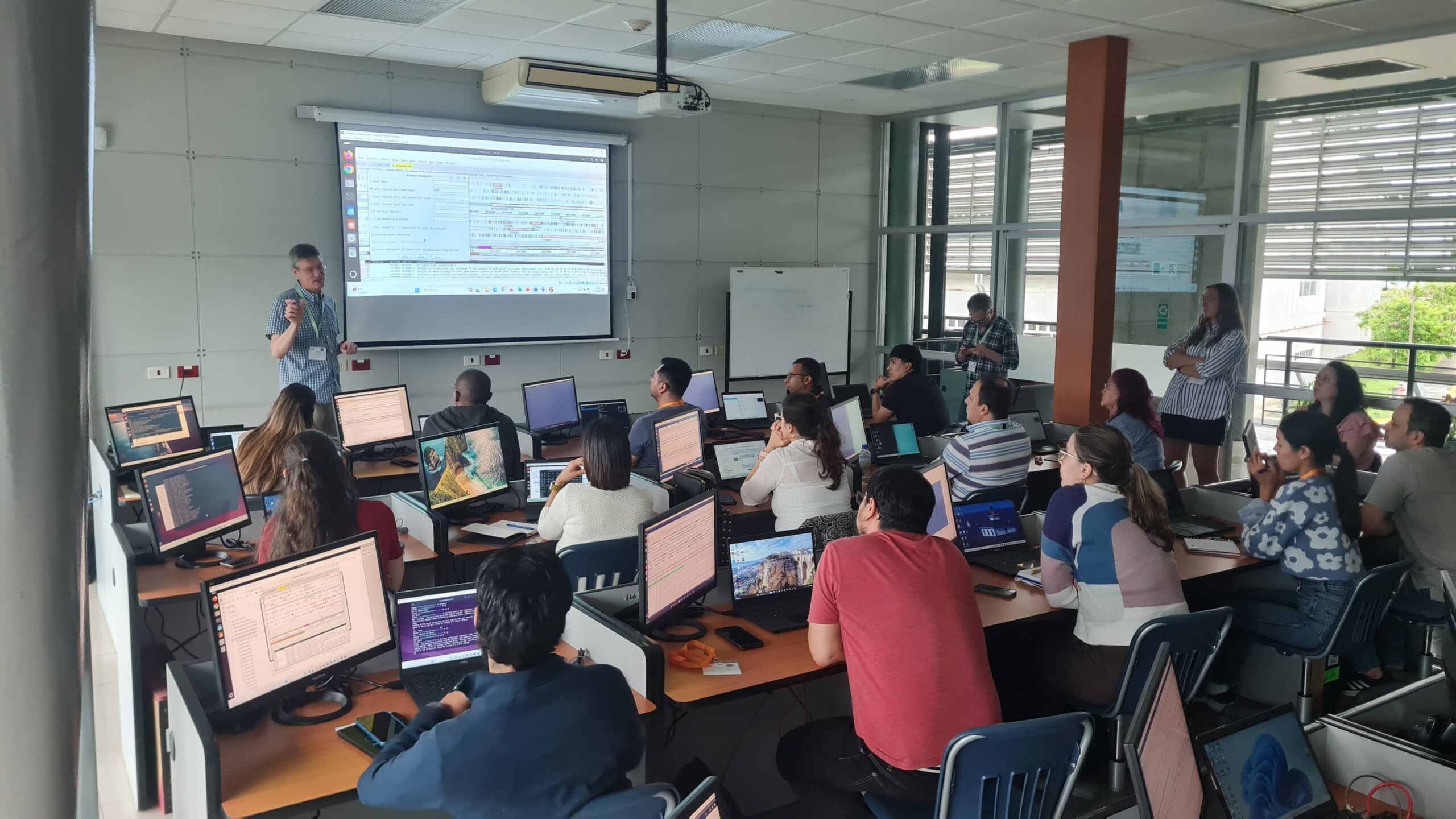
Photo credit: Jose Arturo Molina Mora, Universidad de Costa Rica
Our courses have enabled researchers who are typically disparate from one another, spread across a huge region, to come together and explore common challenges and experiences, as well as work through cultural barriers to genomics implementation. This has inspired many early career researchers to pursue their own studies into bacterial genomics, increasing the amount of genomics-led research happening in Latin America.
From Shigella and Brucella to K. pneumoniae, behind the response to these outbreaks are scientific collaborations and initiatives that trace back to our Genomics and Epidemiological Surveillance of Bacterial Pathogens training courses. Classrooms of past participants have now developed into genomics-led surveillance programmes, and regional laboratories of outbreak preparedness. The skills and genomics principles we teach are becoming increasingly embedded in the scientific communities and research institutions working across Latin American.
Today, our alumni are partnering with other scientists to publish papers, develop surveillance projects, inform public health decision makers, and lead on the next phase of genomic epidemiology across Central and Latin America.
This success is driven by the regionally collaborative nature of our training programme. Working with scientists who are able to connect the global potential of genomics with the regional health priorities of their underserved populations, has helped dismantle some research barriers. Although many remain intact, our hope is that the communities we leave behind will continue to teach others, develop their research, and contribute to stronger health systems in the future.
Classroom exercises enable collaborative learning to work through common challenges.
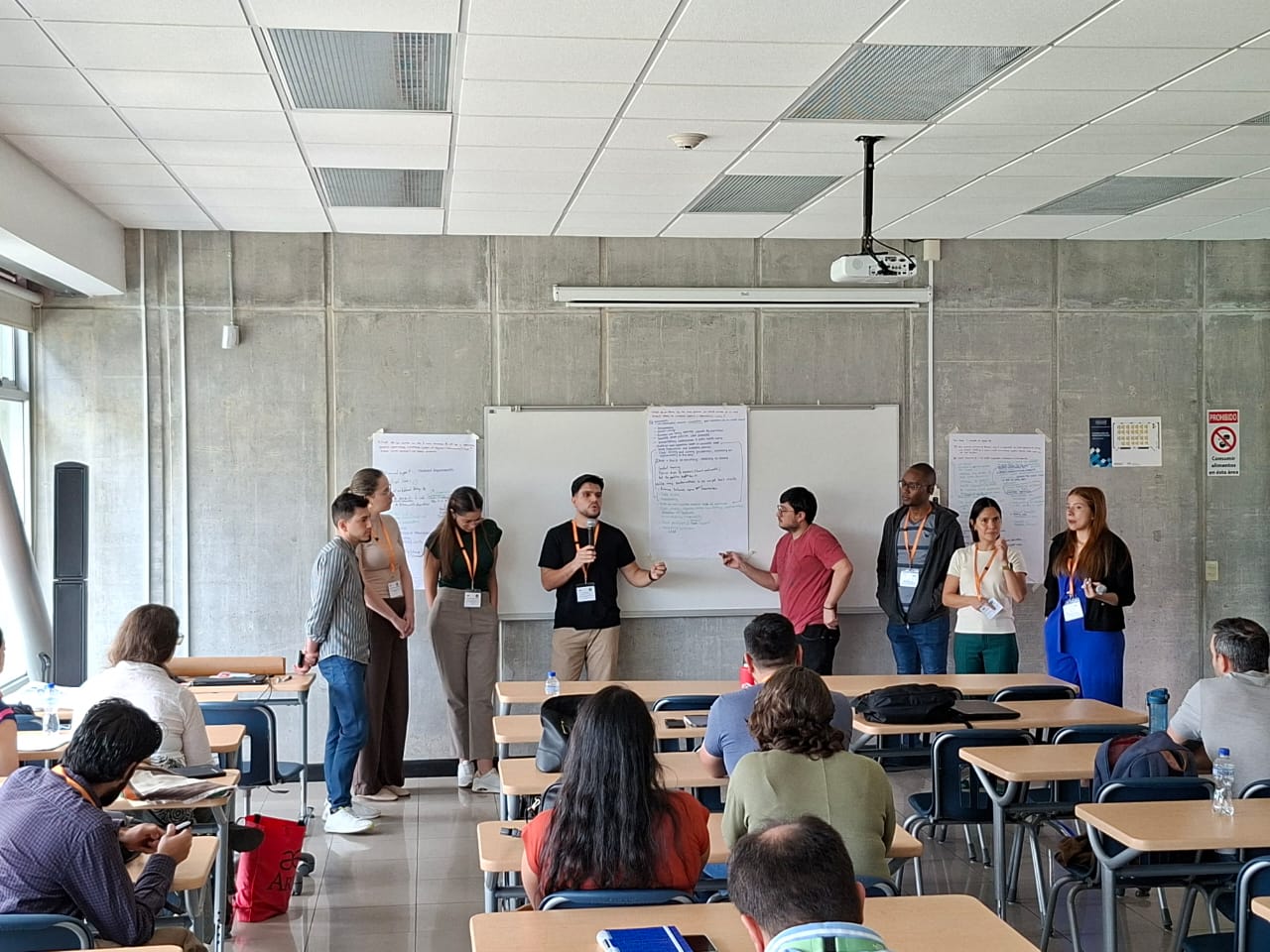
Photo credit: Tomás Poklepovich, National Center of Genomics & Bioinformatics – ANLIS-Malbran, Argentina
I attended a one-week course in Uruguay, which opened my eyes, broadening my perspective of what genomics can do with regards to epidemiological surveillance.
Caternia Guzman Verri, Universidad Nacional, Costa Rica
Caternia Guzman Verri, Universidad Nacional, Costa Rica, began her career in genomics after attending one of our first training courses held in Uruguay, back in 2007. Since then, her research into zoonotic diseases, specifically brucellosis, has evolved through the ideas and collaborative partnerships that developed out of that initial training experience. From attending as a participant to becoming a trainer, and then co-leading the course in Costa Rica in 2024 and 2025, Caterina has been instrumental in building global and regional networks, including with our research colleagues at the Sanger Institute. Her own PhD students have visited and spent time working in the labs at Sanger, through Caterina’s collaborative links with the institute.
In the video below hear from Caternia Guzman Verri in her own words
As a trainer on our Genomic and Epidemiological Surveillance of Bacterial Pathogens course, Tomás Poklepovich has seen the genomics landscape evolve in Latin America, through the eyes of the many researchers he has supported on our courses.
There is a regional component to genomics, and it’s important that we understand what is being done across South and Central America.
Tomás Poklepovich, National Center of Genomics & Bioinformatics - ANLIS-Malbran, Argentina
For the past five years, Tomás has developed a comprehensive understanding of the unique challenges experienced by epidemiologists at different career stages, across South and Central America. Tomás has gained perspectives on how global genomics can be deployed at the regional level to address population-specific health challenges, and ensure local scientists become leaders of their own outbreak responses and public health policy.
In the video below Tomás shares his experiences as a course trainer
Looking ahead: Expanding training networks in genomics
Building a dialogue between regional researchers is not only key to the success of our own training programme, but it’s crucial for underpinning the aims of the work being led by organisations such as the PAHO Genomic Surveillance Regional Networks.
To keep pace with the pioneering technologies steering the future of outbreak surveillance and management, professional networks that foster lifelong learning, and extend beyond a single training course are critical.
We understand the importance of facilitating pathways to strengthen South-South knowledge distribution, for building regionally self-sustaining genomics surveillance systems. Ultimately, the more scientists with a shared understanding of regional challenges work together, the more empowered they become to thrive independently, and shape their own disease surveillance models and policies.
As we look forward to the next phase of supporting epidemiologists’ growth in genomics, our focus is on how to maximise equitable opportunities for scientists across Latin and Central America to develop those essential networks and relationships.
We know from our experiences working with single cell scientists in the same region, that with the right opportunities, informal networks have the potential to grow into communities that strengthen collaboration within countries and across regions, connecting different cohorts in a sustainable way. This has inspired us to consider how we replicate our communities’ work to benefit pathogen genomics scientists in Latin America.
Our ambition is to build on the genomics networks that have already begun to develop organically across Central and Latin America, supported by our collaborative training interventions.
There is now a nucleus of a bacterial pathogen surveillance community of practice, and we hope to help shape this into a more formal and self-sustaining structure.
Dr Michelle Bishop, Associate Director, Learning and Training, Wellcome Connecting Science, UK
As our learning and training programme evolves over the next few years, we aim to bring forward new approaches from Sanger and explore how these can be adapted and applied within the regional context. Together, these efforts offer an exciting pathway to deepen collaboration and drive lasting impact.
*****
With thanks to Alex Canet Font, Wellcome Sanger Institute, UK for producing the video content.
Sign up here to stay in touch about our global training opportunities and community activities.
 Back to top


