


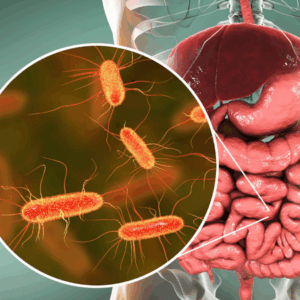

Human Gut Microbiome Metagenomics - Africa
12–17 April 2026
KEMRI-Wellcome Trust Research Programme, Kilifi, Kenya
Build skills in microbiome metagenomics, bioinformatics, and data interpretation to advance maternal and child health research
Summary
The microbiome plays a critical role in shaping early-life health, influencing immunity, nutrition, and resistance to infection. Advances in metagenomic sequencing have revealed new insights into maternal and infant microbial communities, yet capacity to generate, analyse, and interpret such data remains limited in many low- and middle-income countries (LMICs).
This intensive training course is a collaboration between Wellcome Connecting Science, the Wellcome Sanger Institute, and the KEMRI-Wellcome Trust, and will provide early career researchers and scientists with cutting-edge skills in microbiome study design, sequencing, bioinformatics data analysis, and data interpretation.
The course uses a blended learning model over three months, including pre-course modules, a 6-day residential workshop at KEMRI-Wellcome Trust Research Programme, Kilifi, Kenya (12–17 April 2026), and post-course mentoring and networking activities.
The residential workshop will combine lectures, hands-on sessions, seminars, and discussions, progressing from fundamentals of microbiome metagenomics to applied data analysis and interpretation and professional development.
What will this course cover?
This course will cover experimental design and sampling methods, hands-on bioinformatics data analysis with appropriate statistical approaches, data interpretation and reporting. Participants will also explore ethical considerations of data-sharing practices, including consent, governance, and country-specific restrictions, while learning on data standards and public repository submissions. Collaborative learning will be emphasised through group projects, peer mentoring, and community-building activities, complemented by sessions on public engagement and effective communication of microbiome science to wider audiences.
Who is this course for?
This course is open to applicants who are actively engaged in, or soon to commence related research or work, such as early to mid-career scientists, PhD students, and postdoctoral researchers working in microbiome and maternal/child health research.
Learning outcomes
What will you achieve?
After completing this course, you will be able to:
- Critically evaluate foundational concepts in microbiome metagenomics and bioinformatics in-relation to shaping early-life health, influencing immunity, nutrition, and resistance to infection.
- Apply practical skills to generate, analyse, and interpret microbiome metagenomics data using accessible tools and workflows.
- Assess and integrate ethical, equitable, and context-specific considerations into microbiome metagenomics research.
- Analyse the potential and limitations of microbiome metagenomics technologies to advance health and scientific discovery.
- Strengthen professional skills in grant writing and public engagement.
Programme
The residential course will start at approximately 12:00 on Sunday 12 April 2026 and close at approximately 17:00 on Friday 17 April 2026. All times are in Nairobi Time (GMT+3).
The in-person course programme includes lectures, hands-on training, seminars, and discussions, to cover a range of topics, from microbiome metagenomics fundamentals to applied analysis and professional development.
The topics covered are:
- Experimental design and sampling methods.
- Practical bioinformatics data analysis and relevant statistical methods using open-source tools.
- Data interpretation and reporting, to develop higher-level skills such as hypothesis generation and critical evaluation.
- Ethics and data sharing, including consent, sample handling, governance, and country-specific restrictions.
- Collaborative learning such group projects, peer mentoring, and community-building activities.
- Guidance on data standards and submission to repositories such as ENA, GSC, and SRA.
- Public engagement, with discussions on strategies for communicating microbiome science with wider audiences.
Trainers
Training team

Trevor Lawley
Wellcome Sanger Institute, UK
Yan Shao
Wellcome Sanger Institute, UK
Caroline Tigoi
KEMRI-Wellcome Trust Research Programme, Kenya

Jay Berkeley
KEMRI-Wellcome Trust Research Programme, Kenya

Luicer Olubayo
Sydney Brenner Institute of Molecular Biosciences (SBIMB), University of Witwatersrand
James Njunge
KEMRI-Wellcome Trust Research Programme, Kenya

Bonface Gichuki
Wellcome Sanger Institute, UK

Kelvin Sibuta
Wellcome Sanger Institute, UK

Anne Amulele (Vuruku)
KEMRI-Wellcome Trust Research Programme, Kenya

Jolynne Mokaya
Wellcome Sanger Institute, UK

Cecilia Kyanya
Wellcome Sanger Institute, UK
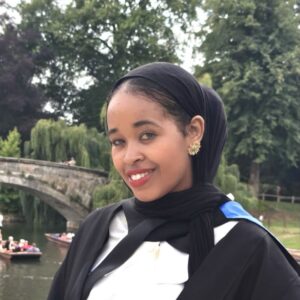
Rahma Golicha
Wellcome Sanger Institute, UK and KEMRI-Wellcome Trust Research Programme, Kenya

Syed Jayedul Bashar
icddr,b, Dhaka, Bangladesh

Julius Mulindwa
Makarere University, Uganda
Guest speakers

Ovokeraye Oduaran
The Sydney Brenner Institute of Molecular Biosciences (SBIMB), University of Witwatersrand, South Africa

Lilian Mwango
KEMRI-Wellcome Trust Research Programme, Kenya
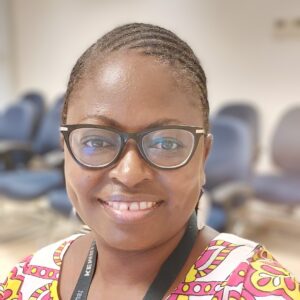
Noni Mumba
KEMRI-Wellcome Trust Research Programme, Kenya
Wellcome Connecting Science team

Alice Matimba
Wellcome Connecting Science

Isabela Malta
Wellcome Connecting Science

Monica Abrudan
Wellcome Connecting Science
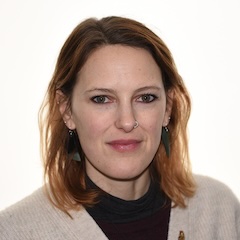
Scarlett Storr
Wellcome Connecting Science
How to apply
Pre-requisites:
No prior command-line experience is required, but participants should have a foundation in microbiology, immunology, or related biomedical sciences.
Computer Proficiency: Bioinformatic training will include the use of Linux/UNIX command line. Though participants learn to use the command line during the course, familiarity with these resources is recommended. ‘Introduction to Linux for biologists’ pre-course module will be provided for completion prior to the course.
The course will be taught in English.
How to Apply
- Start the application
- Click on the “Apply” button above to start your application. Please note that places are limited and will be awarded based on merit.
- Demonstrate the course’s relevance to your project/role
- Our courses are highly subscribed, so it is essential to clearly show how the skills you will learn in the course will be directly applicable and beneficial to your current role/project and how do you plan to disseminate the knowledge after the course.
- Preference will be given to applicants who are currently working on related projects or soon will be.
- Add any other relevant information
- Letter of recommendation
- Applications must be supported by a recommendation from a scientific or clinical sponsor (e.g., supervisor, line manager, or head of department). Ensure that your sponsor provides a tailored supporting statement by the application deadline. This statement must be uploaded as a PDF document to the registration system within your application. Applications without a supporting statement will not be considered.
- Need help?
- If you encounter any problems with the online application process, please contact us at courses@wellcomeconnectingscience.org for assistance.
Travel visas
Depending on your citizenship, you may or may not require a visa to enter Kenya.
Confirmed attendees requiring a letter to support a visa application should contact us at globaltraining@wellcomeconnectingscience.org.
Cost
This course is subsidised by Wellcome Connecting Science, and is free to attend.
Bursaries
A number of bursaries are available for each course. These are awarded on merit to cover travel, accommodation and sustenance.
Bursaries may be applied for as part of the course application form. Applicants will be notified of a bursary award along with their place on the course, usually within one month of the application deadline. The decision of the selection committee is final.
Please note that both the applicant and sponsor are required to provide a justification for the bursary as part of the application.
 Back to top


